Guy Says . . .
Maintaining navigable waterways through dredging is crucial for transportation, commercial fishing, and recreational activities such as boating and swimming.

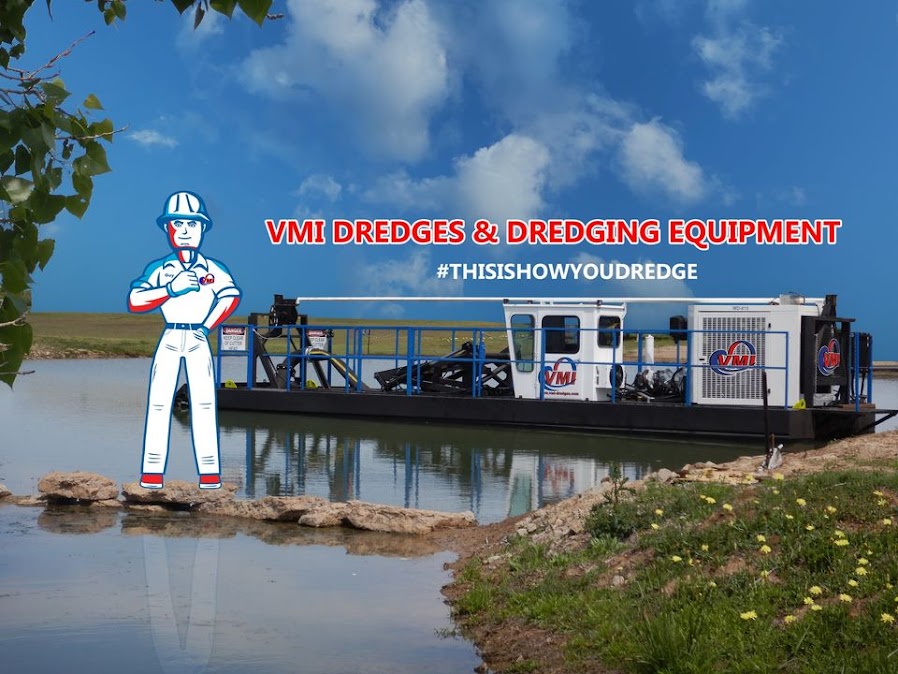
Guy, The VMI Dredge Guy sharing quotes and knowledge about dredging and the dredge industry
Guy Says . . .
Maintaining navigable waterways through dredging is crucial for transportation, commercial fishing, and recreational activities such as boating and swimming.
Guy Says . . .
The first steam-powered dredger was invented in 1796 by a man named Jesse Hartley, who was the engineer of the port of Liverpool in England. It was designed to excavate silt and mud from the port's waterways, making it easier for ships to navigate.

Guy Says . . .
Dredging can help prevent flooding by increasing the capacity of waterways to hold water and reducing the likelihood of sediment buildup.

Guy Says . . .
The dredging industry plays a critical role in maintaining navigable waterways and preventing flooding by removing sediment, silt, and debris from the bottom of water bodies. Additionally, dredging is also used for land reclamation, beach nourishment, and environmental remediation purposes.

Guy Says . . .
A cutterhead has rotating blades or teeth to break up or loosen the bottom sediment and debris so that it can be sucked through the dredge.

Guy Says . . .
Dredging is carried out in many different locations around the world for many different purposes, but the main objectives are usually to recover material of value or use, or to create a greater depth of water.

Guy Says . . .
By dredging our waterways, we unlock their potential - improving navigation, enhancing flood protection, and creating new opportunities for commerce and recreation.

Cutter Suction Dredges: The Workhorse of Modern Dredging Among the many types of dredging equipment used across the industry, cutter suc...


